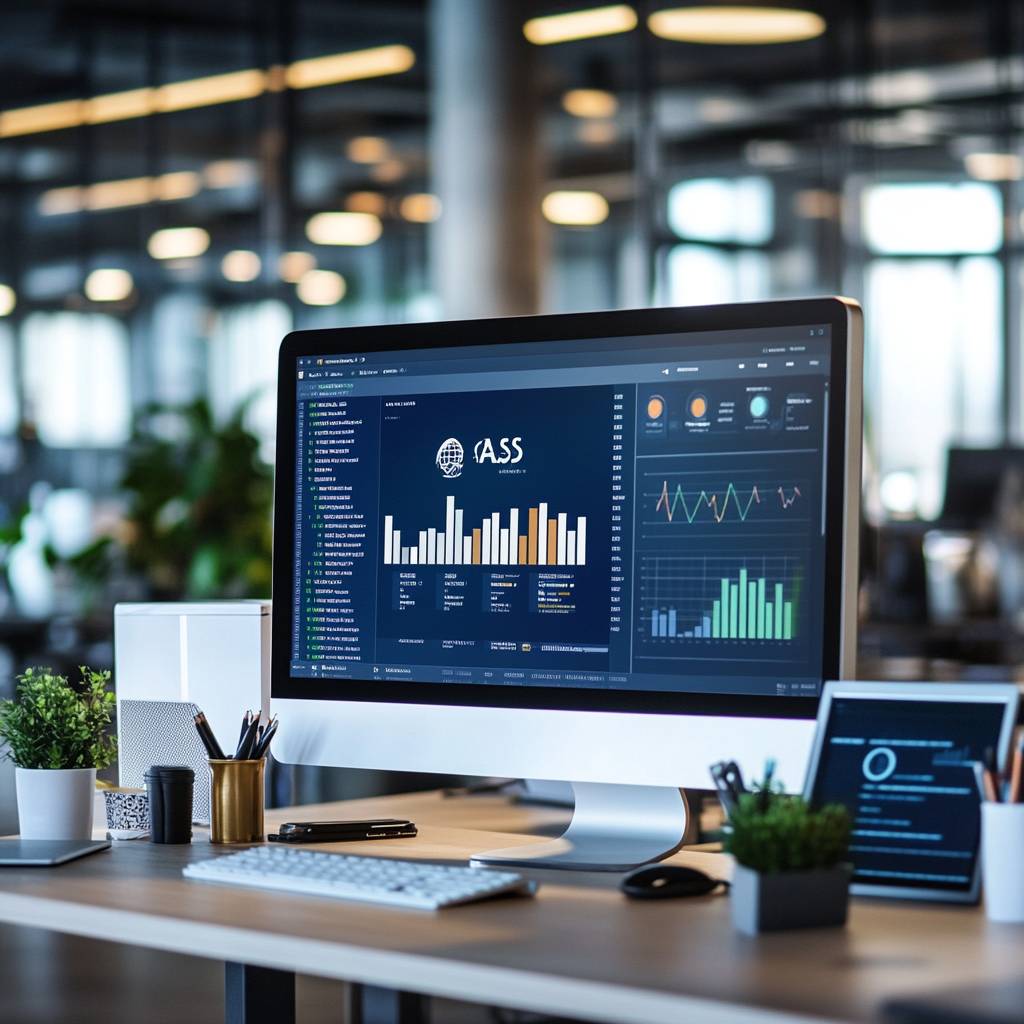
4. Analyze and Interpret Patterns
Once data is collected and tools are set up, the real work begins: analysis. Interpretation of patterns should consider both the micro (individual user behavior) and macro (market trends) perspectives:
- Segmentation Analysis: Break down your data into meaningful segments to see patterns that might not be visible in the aggregate data.
- Trend Analysis: Look for consistent trends over time. Are certain features being used more frequently? Are there seasonal patterns in user activity?
- Causal Analysis: Determine the cause-and-effect relationships. Don't just look at the patterns; understand why they exist.
5. Implement Data-Driven Decisions
The final step is translating your analysis into action. Make data-driven decisions and validate them with continuous testing and feedback loops:
- Hypothesis Testing: Before implementing large-scale changes, use A/B testing to validate your hypotheses on a smaller scale.
- Iterative Development: Develop in sprints with regular checkpoints to incorporate new insights and adjust your strategy as needed.
- Feedback Integration: Continuously collect and integrate user feedback to keep your product aligned with user needs and market changes.
Real-World Examples of Pattern Recognition in Action
Salesforce
Salesforce, a leader in CRM solutions, uses pattern recognition to analyze customer data and predict sales trends. By identifying patterns in customer interactions and purchase behaviors, Salesforce can offer tailored recommendations and predictive analytics, which help businesses optimize their sales processes and improve customer retention.
Netflix
Netflix leverages advanced machine learning algorithms to understand viewing patterns of its subscribers. By analyzing viewing history, Netflix can predict which shows and movies a user is likely to enjoy, leading to highly personalized content recommendations. This has significantly improved user engagement and subscription rates.
Utilizing the right tools can dramatically enhance your pattern recognition capabilities. Here are some tools that can be instrumental:
- Google Analytics: For tracking user behavior on your website or app, identifying traffic sources, and understanding user demographics.
- Mixpanel: A powerful tool for analyzing user interactions with your product and identifying behavioral patterns.
- R and Python: For advanced statistical analysis and machine learning applications. Libraries like
pandas and scikit-learn in Python can be particularly useful. - CRM Systems: Tools like HubSpot and Salesforce for integrating sales and marketing data with customer behavior analytics.